 conusweb
 conusweb
How a multi-tenant vector database serves many clients at once
One AI infrastructure for dozens of clients without their data mixing: metadata filtering, the architectural decisions that matter, and the isolation tests.
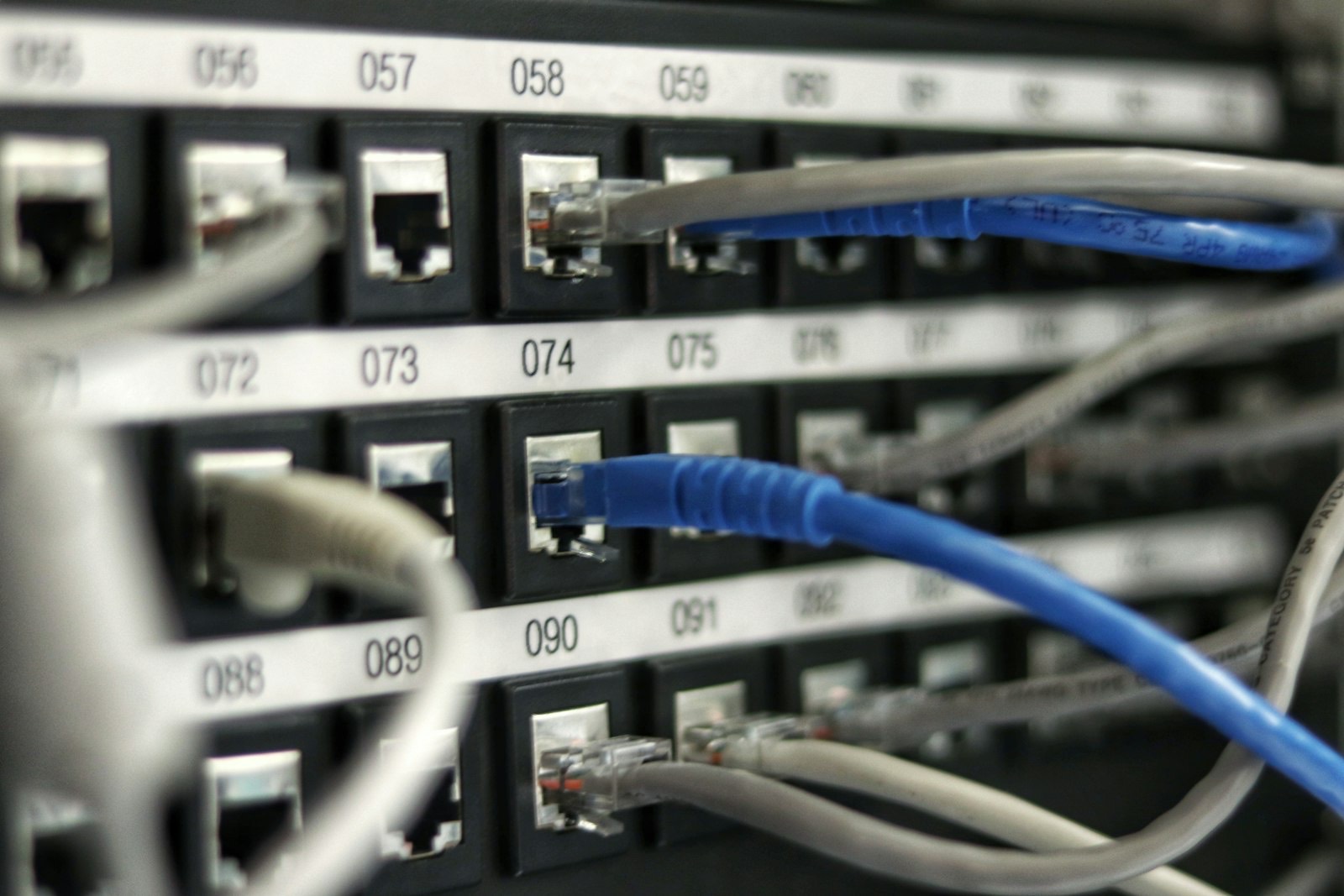
A multi-tenant vector database lets a single AI infrastructure serve several clients at once while each client's data stays logically separate and never mixes into someone else's search results. Instead of a separate database per client, one shared database is used with metadata tags such as client_id or institution_id, which filter results on every query so the agent or chatbot only ever sees data the client in question is entitled to.
Why multi-tenant architecture matters
For companies building an AI product for several clients at once, this approach matters for two reasons:
- Cost and maintenance efficiency – one managed infrastructure instead of dozens of separate databases lowers both running costs and administrative complexity.
- Scalability – adding a client means adding a metadata filter, not building new infrastructure from scratch.
Without a properly designed architecture, a company either duplicates infrastructure per client, which is expensive and hard to scale, or risks different clients' data mixing in the results. That is both a security and a compliance risk.
How the separation works in practice
- Tagging at index time – every document is tagged on insertion with metadata identifying its owner: client, institution, department or access level.
- Filtering at query time – when a user asks a question, the system adds a filter based on their identity and access rights before the semantic search runs.
- Returning only permitted results – even if the database holds thousands of documents from dozens of clients, the answer rests solely on data the asker may see.
This differs from the simpler "one database per client" approach, which is easier to implement but considerably more expensive and harder to scale at dozens or hundreds of clients.
The architectural decisions that matter
| Decision | Effect |
|---|---|
| Metadata granularity: client, department, user | Sets how precisely access to data can be controlled |
| Filtering before or after retrieval | Filtering before retrieval is both safer and more efficient |
| Isolation at the database or the application layer | Isolation in the database itself reduces the risk of a bug in application logic |
| Scaling as client numbers grow | A well-designed architecture absorbs growth without a rebuild |
The second row is the most common mistake. Filter after retrieval and another client's documents have already entered the system, leaving you relying on the application to drop them. This connects directly to what the article on LLM security risks covers.
Use case: a platform for many institutions of the same kind
The typical scenario is an AI product for several organisations of the same type: several universities, several branches of a chain, or several clients in the same industry. Each institution has its own documents, but all share the same application logic and infrastructure.
A multi-tenant database filtering by institution then allows you to:
- Onboard a new client quickly, without building new infrastructure.
- Guarantee that one institution's data never appears to another's users.
- Scale to dozens of clients with minimal growth in cost per client.
- Manage updates centrally across every client at once.
This model is typical of B2B SaaS AI products where the same platform is sold to several organisations within one industry. The layer running on top of it is usually RAG.
Security aspects you cannot skip
- Testing data isolation – before go-live you have to verify that filtering holds up in edge cases too.
- Access auditing – logging who accessed what data and when matters for compliance, particularly in regulated industries.
- Backup and failure isolation – a problem at one client must not affect the availability or safety of everyone else's data.
Isolation in a multi-tenant system has to be tested as rigorously as the answers themselves. A fault here does not show up as a bad answer, but as an answer drawn from someone else's documents.
Frequently asked questions
- Is a multi-tenant database less secure than one database per client?
- With a sound architectural design, no. Metadata-level filtering and rigorous isolation testing give comparable security at considerably lower cost and with simpler administration.
- When is multi-tenant worth it over separate databases?
- When the company plans to serve several clients with the same or a similar product, typically in B2B SaaS AI. For a single large client with highly specific requirements, dedicated infrastructure may be the better fit.
- Can a multi-tenant system later be split into separate databases?
- Yes. If the architecture separates data by metadata from the start, migrating a specific client onto dedicated infrastructure is technically manageable without rebuilding the whole system.
- Which vector databases support multi-tenant architecture?
- Most modern vector databases, such as Pinecone, Weaviate, Qdrant or pgvector, support the metadata filtering a multi-tenant deployment needs. The choice depends on data volume, performance requirements and how you want it hosted.
Related articles
What RAG is and how it works in enterprise chatbots
RAG explained for companies: how the model answers from your own documents, when it beats fine-tuning, and what decides the quality of a deployment.
Read the article
Security risks when deploying an LLM into company processes
Six risks that come not from the model but from the architecture around it: data leakage, prompt injection, access separation, agent actions, hallucination and auditing.
Read the article
What a custom AI agent costs to build for a B2B company
What actually drives the price of an AI agent: scope of autonomy, integrations, RAG infrastructure, compliance, and the running costs suppliers rarely mention up front.
Read the article